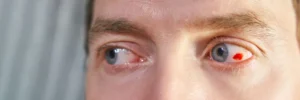
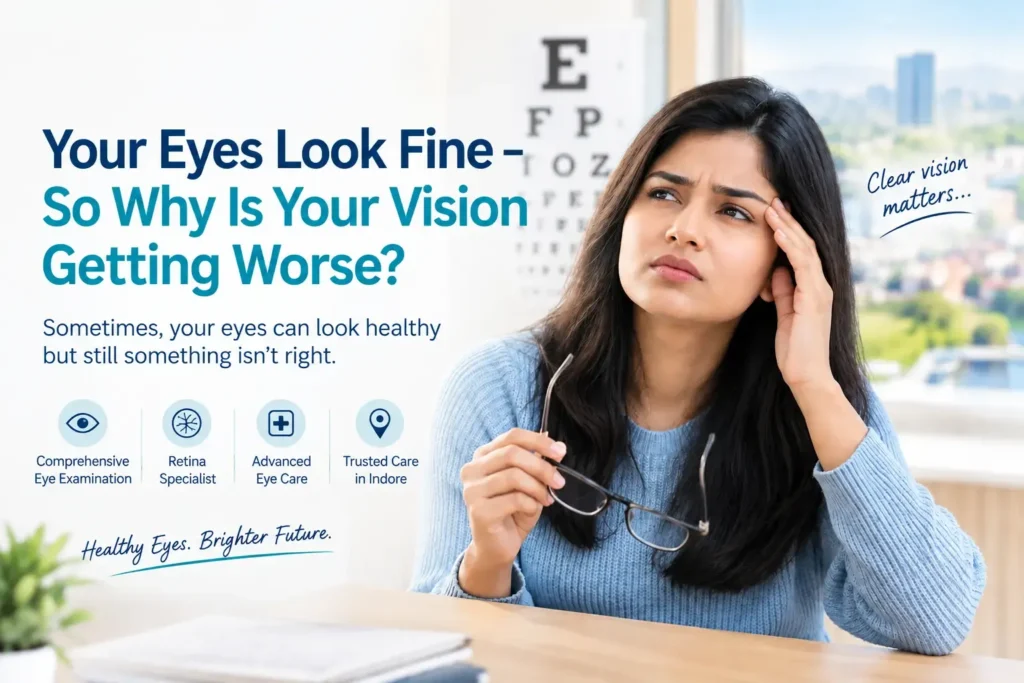
You look in the mirror, and your eyes seem completely normal – no redness, no visible cloudiness, nothing that looks out of place. Yet road signs take a second longer to read, small text on your phone feels blurrier than it used to, and your glasses don’t seem to sharpen things the way they once did. This mismatch between how your eyes look and how they actually function is more common than most people realize, and it usually comes down to one simple fact: vision doesn’t depend on outward appearance. It depends on internal structures you can’t see just by looking in a mirror.
Why Is My Vision Getting Worse Even Though My Eyes Look Normal?
The surface of the eye – the part you can see – is only a small piece of a much larger system. Clear vision depends on the cornea, the lens, the retina, the optic nerve, and the fluid-filled spaces in between, all working together. A problem can develop in any of these structures without changing how the eye looks from the outside. This is why a comprehensive eye examination in Indore, or anywhere else, typically goes far beyond a quick glance – it involves specific tests designed to check each of these internal structures individually.
What Can Cause Your Eyesight to Get Worse?
There isn’t one single explanation for worsening vision. A number of different conditions can produce similar symptoms, which is part of why self-diagnosis rarely works well.
Refractive Changes
Your glasses or contact lens prescription reflects how your eye focuses light, and this number can shift over time. Increasing myopia, hyperopia, or astigmatism can make vision gradually less sharp, even when the eye itself is otherwise healthy. Many people first notice this as needing to hold reading material closer, or squinting more at distant objects.
Cataract
A cataract is a clouding of the natural lens inside the eye. Because the lens sits behind the coloured part of the eye, this clouding usually can’t be seen just by looking at someone. Common effects include blurry vision, increased glare from headlights or sunlight, halos around lights, reduced night vision, and colours that appear duller than before.
Glaucoma
Glaucoma is a condition that can gradually damage the optic nerve, often without any early symptoms. Vision loss from glaucoma tends to begin at the edges of what a person sees rather than the centre, which means it can go unnoticed for a long time. Not every case of glaucoma behaves identically, but its ability to progress quietly is one reason eye pressure checks are part of routine examinations.
Retina Problems
The retina is the light-sensitive layer at the back of the eye, and disorders affecting it can influence either central or peripheral vision depending on which part is involved. New floaters, sudden flashes of light, distortion of straight lines, or missing patches in your field of view can all be signs worth having examined.
Diabetes and Eye Health
Diabetes can affect the small blood vessels of the retina over time, a condition often referred to as diabetic eye disease. Vision may initially seem unaffected even while underlying changes are taking place, which is why people with diabetes are generally encouraged to have their retinal health monitored on a regular basis, regardless of how their eyesight currently feels.
Dry Eye
An unstable tear film doesn’t just cause irritation – it can also produce blurry, fluctuating vision that improves temporarily with blinking. This type of blur can come and go throughout the day and is sometimes mistaken for a more serious problem when the underlying cause is simply the tear film.
Can Vision Problems Develop Without Warning Signs?
Yes, in some cases. Certain eye conditions, glaucoma being a well-known example, can progress with very few noticeable symptoms in their earlier stages. This is one of the main reasons routine screening matters, particularly for people with diabetes, high myopia, a family history of eye disease, increasing age, or a previous history of eye problems. That said, screening needs differ from person to person, and there isn’t one fixed schedule that applies equally to everyone.
When Should You See an Eye Doctor for Worsening Vision?
Some vision changes call for prompt medical attention rather than a routine appointment. Consider seeking urgent ophthalmic assessment if you notice:
- Sudden loss of vision, even if temporary
- Sudden and severe blurring
- New flashes of light
- A sudden increase in floaters
- A curtain or shadow appearing over part of your vision
- Significant eye pain accompanying vision changes
- Sudden distortion of straight lines
Gradual changes, on the other hand, are usually appropriate for a scheduled comprehensive evaluation rather than an emergency visit – though they still deserve attention.
What Happens During a Comprehensive Eye Examination?
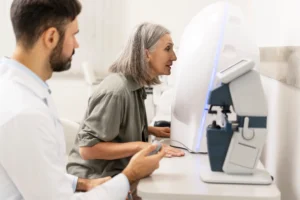
A comprehensive eye examination in Indore, or at any well-equipped eye care facility, is generally tailored to a patient’s age, symptoms, and individual risk factors rather than following one fixed checklist. Depending on your situation, it may include:
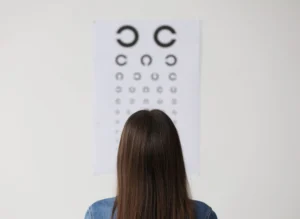
- Visual acuity testing
- Refraction
- Eye pressure measurement
- Slit-lamp examination of the front of the eye
- A dilated retinal examination when indicated
- Corneal assessment
- Retinal imaging or other diagnostic tests where clinically appropriate
Not every patient requires every test – the examining ophthalmologist decides what’s relevant based on findings as the assessment progresses.
Looking for an Eye Check Up Hospital in Indore?
If you’re searching for an eye check-up hospital in Indore because of changing vision, it helps to know what a thorough evaluation should include: a properly qualified ophthalmic assessment, access to appropriate diagnostic equipment, a genuinely comprehensive examination rather than a cursory check, availability of relevant subspecialty care when needed, a clear explanation of what was found, and guidance on follow-up if required. RK Eye & Retina Center approaches vision-change evaluations with this kind of structured process, since the underlying cause can only be identified through proper testing rather than guesswork.
When Should You See a Retina Specialist in Indore?
Not all blurry vision requires a retina specialist, but certain situations make retinal evaluation particularly relevant. If you have diabetes, have noticed new flashes or floaters, are experiencing distorted central vision, have had a sudden vision change, or have a history of retinal problems, consulting a retina specialist in Indore may be a sensible next step. A general eye examination often helps determine whether this level of evaluation is actually needed in your case.
Choosing a Vision Care Center in Indore
When selecting a Vision Care Center in Indore, it’s worth looking past advertising and convenience alone. A comprehensive evaluation, an accurate explanation of findings, and access to the right specialist for your specific concern matter more than proximity or marketing claims. RK Eye & Retina Center is set up to support this kind of thorough, evaluation-first approach for patients dealing with unexplained or worsening vision.
Finding the Best Eye Specialist Near You in Indore
People often search for the “best eye specialist near you in Indore,” but the right specialist for one person isn’t necessarily right for another. The most suitable choice depends on your symptoms, the type of eye condition suspected, the specific specialty required, the diagnostic tests needed, and the treatment approach under consideration. A general eye check-up is usually the starting point that helps determine which kind of specialist care, if any, is appropriate next.
Eye Specialists and Personalized Evaluation
At RK Eye & Retina Center, evaluations for changing or worsening vision are carried out by doctors associated with the practice, including Dr Trushaa Agrawal, Dr. Sumeet Agrawal and Dr. Rajendra Agrawal. Each patient’s history, symptoms, and examination findings guide which doctor and which tests are most relevant to their specific concern, since vision changes don’t have a one-size-fits-all explanation.
Pro Tip
Pro Tip: Try not to wait until your vision becomes significantly blurry before scheduling an eye examination. Some conditions, including certain retinal and optic nerve issues, can progress before symptoms become obvious, which makes earlier evaluation more useful than waiting for things to worsen further.
Key Takeaways
- Normal-looking eyes don’t always mean the internal structures involved in vision are healthy.
- Worsening eyesight can stem from several different causes, not just one.
- Refractive errors, cataract, glaucoma, retinal conditions and dry eye can all affect vision in different ways.
- Sudden vision changes need prompt medical attention rather than a wait-and-see approach.
- A comprehensive eye examination is generally the most reliable way to identify what’s actually causing the change.
- The right treatment – if any is needed – depends entirely on the specific diagnosis.