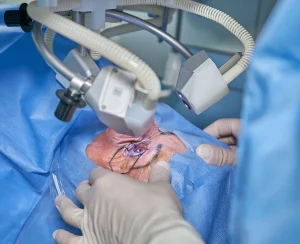
The monsoon brings relief from the heat, but it also brings a rise in eye problems. If you notice redness, itching, or discomfort during this season, you are not alone. Red eyes in the rainy season are one of the most common reasons people visit an eye clinic between June and September. At RK Eye & Retina Center, we see more patients with watery, irritated, or swollen eyes as soon as the rains begin. Understanding why this happens can help you protect your vision.
Why Does Red Eye Become Common During the Rainy Season?
Humidity and stagnant water create an ideal environment for bacteria, viruses, and fungi to multiply. Dust and pollutants mix with rainwater and stay trapped in the air, making eyes more vulnerable to irritation. Crowded places such as buses and offices become breeding grounds for contagious infections because moisture lingers on surfaces longer.
People also rub their eyes with wet or unwashed hands after getting caught in the rain, which introduces germs directly into the eyes. This mix of humidity, pollution, and poor hygiene explains why eye infections during monsoon become so widespread every year.
Causes of Red Eye in Rainy Season
Several factors cause red eyes during this time of year.
- Exposure to contaminated rainwater or floodwater
- Increased growth of bacteria and viruses in humid conditions
- Allergic reactions to pollen, dust, and mould spores
- Wearing contact lenses in damp or unclean conditions
- Touching eyes with unwashed hands
- Sharing towels, handkerchiefs, or cosmetics with an infected person
Each factor can inflame the conjunctiva, the thin tissue covering the eye, causing redness and irritation.
Symptoms That Need Medical Attention
Mild redness that clears on its own is common, but certain symptoms call for professional care. Watch for redness lasting more than two days, thick yellow or green discharge, eyelid swelling, light sensitivity, blurred vision, or pain that does not improve with rest. Discharge that seals the eyelids in the morning often points to an infection needing evaluation.
Common Types of Eye Infection During Monsoon
Conjunctivitis, often called pink eye, is the most frequent monsoon eye infection. It spreads quickly and can be viral, bacterial, or allergic. Viral cases cause watery discharge, while bacterial cases produce thicker discharge and may spread from one eye to the other.
Corneal ulcers are less common but more serious, often linked to contact lens wear or minor injuries infected in unhygienic conditions. Stye and blepharitis, inflammation of the eyelid glands, also become more frequent in humid weather.
Diagnosis and Treatment
Proper diagnosis begins with a detailed eye examination by a qualified ophthalmologist, who checks the redness and discharge and may take a sample if needed.
Treatment depends on the cause. Viral conjunctivitis usually improves within one to two weeks with cold compresses and lubricating drops. Bacterial infections may need antibiotic eye drops, but these should only be used after examination by an eye specialist, since incorrect use can delay healing or mask a serious condition. Allergic red eye often responds well to antihistamine drops prescribed after assessment.
Avoid self-medication, especially with steroid eye drops bought without a prescription. Steroid drops can worsen infections caused by herpes virus or fungus, and unsupervised use may raise the risk of glaucoma or cataract.
If you are searching for the best eye doctor for eye infection, choosing a specialist who identifies the exact cause before treatment makes a real difference to recovery time.
Prevention Tips
Small habits protect your eyes during monsoon.
- Wash your hands frequently and avoid touching your eyes
- Avoid wearing contact lenses during heavy rains or flooding
- Do not share towels, pillowcases, or eye cosmetics
- Keep a clean handkerchief or tissue for wiping your face
- Wear protective eyewear when stepping out in the rain
- Clean spectacles regularly and store them properly
When You Should Visit an Eye Specialist?
If redness persists beyond two to three days, worsens, or comes with pain, blurred vision, or discharge, consult a professional rather than wait it out. Delayed treatment can affect the cornea and threaten vision. For reliable eye infection treatment in Indore, timely consultation with an experienced ophthalmologist ensures accurate diagnosis and faster recovery.
Conclusion
Red eye during the rainy season is common, but it should never be ignored. Simple hygiene combined with timely medical attention prevents most complications. Whether it is mild irritation or a serious monsoon eye infection, professional guidance leads to better outcomes than self-treatment.
RK Eye & Retina Center offers comprehensive eye treatment services in Indore, with experienced specialists who diagnose and treat every type of eye infection using modern equipment and evidence-based care. As a trusted Eye Hospital in Indore, our team protects your vision every season.
Do not let red eye affect your daily life. Book an appointment with RK Eye & Retina Center today for expert care this monsoon.