- info@rkeyecenter.com
- Call Us +91-7024154321 | +91-7312705058

Cataract Surgery in Indore: Evaluation, IOL Choice and Surgical Planning
Blurred vision, glare from headlights, faded colours or frequent spectacle changes can be caused by cataract, but cataract is not the only reason vision becomes unclear. At R.K. Eye & Retina Centre, Indore, cataract planning begins with a complete eye evaluation to confirm whether the cloudy natural lens is the main cause of the problem, whether surgery is needed now, and which intraocular lens option may suit the eye and the patient’s daily visual needs.
- Confirm whether cataract is the main cause of reduced vision.
- Understand whether surgery is required now or can be monitored.
- Discuss IOL options based on eye measurements, cornea, retina and lifestyle.
- Plan surgery and follow-up with clear expectations rather than one-size-fits-all promises.
What is a cataract?
A cataract is clouding of the natural lens inside the eye. The lens normally helps focus light on the retina. As it becomes cloudy, vision may become blurred, hazy or less colourful, and bright lights may become more uncomfortable.
Age-related change is the most common reason cataracts develop, but cataracts can also be associated with diabetes, previous eye injury, some medicines such as long-term steroids, or other eye conditions. A cataract may affect one eye more than the other.

Symptoms that may suggest cataract
- Blurred, cloudy or hazy vision that is gradually increasing.
- Glare from sunlight, vehicle headlights or bright indoor lighting.
- Halos around lights or increasing difficulty driving at night.
- Colours appearing duller or less vivid than before.
- Needing brighter light for reading or routine tasks.
- Frequent changes in spectacle prescription without satisfactory clarity.
- Double or ghosted vision in one eye in some cases.
Retina disease, corneal disease, glaucoma, dry eye and uncorrected spectacle power can also reduce vision. Examination is important before attributing symptoms to cataract.
When should cataract surgery be considered?
Cataract surgery is generally considered when the cataract is interfering with activities that matter to the patient, such as reading, driving, work, household tasks or independent mobility, or when removal of the cataract is needed to allow better examination or treatment of another eye condition.
A cataract does not always need immediate surgery. If the cataract is mild and daily activities are not significantly affected, the ophthalmologist may recommend monitoring, a change in glasses or practical adjustments while reviewing the eye over time.
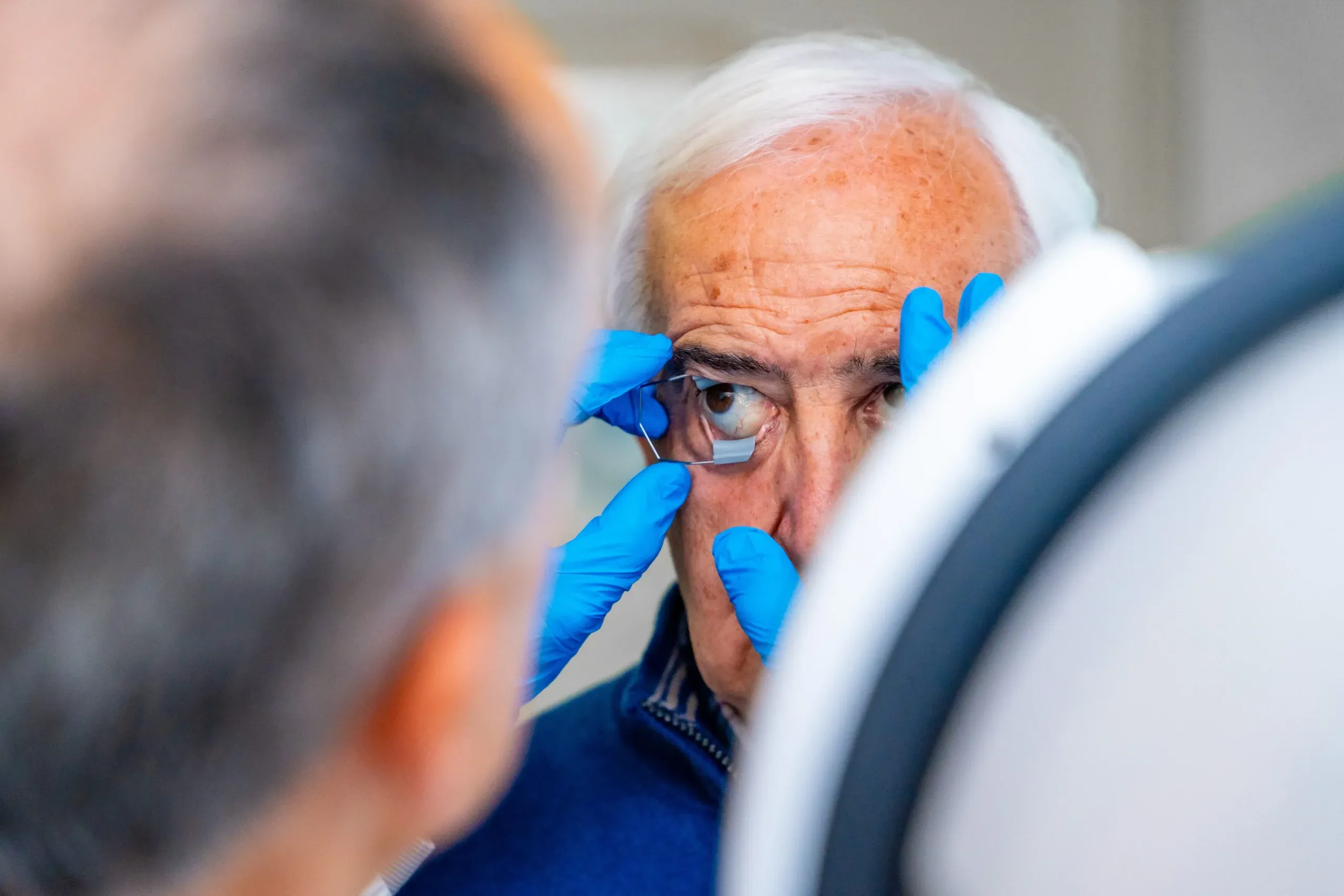
What happens during a cataract and IOL evaluation?
The purpose of the pre-surgery evaluation is not only to confirm cataract. It is also to understand the cornea, retina, optic nerve, eye pressure and measurements that influence lens choice and expected vision after surgery.

Choosing an intraocular lens (IOL)
During cataract surgery the cloudy natural lens is removed and replaced with an artificial intraocular lens, or IOL. Lens selection should be based on eye measurements and the patient’s visual priorities, not on the price or name of a lens alone.
Monofocal
A monofocal lens usually targets a selected focal distance and glasses may still be required for other distances.
Toric
Toric lenses may be considered when corneal astigmatism is suitable for correction.
Multifocal / EDOF
Multifocal or extended-depth-of-focus lens designs may reduce dependence on glasses for selected patients, but they are not appropriate for every eye and may have visual trade-offs such as glare or halos.
Corneal condition, retina and macula status, glaucoma, pupil factors, existing astigmatism, previous eye surgery and personal visual expectations can all influence IOL selection.
How is cataract surgery performed?
Modern cataract surgery is commonly performed through a small incision. The cloudy lens is removed and the selected IOL is placed inside the eye. The exact technique, anaesthesia plan and timing are decided after examination and according to the surgeon’s recommendation.
If RK Eye offers more than one cataract-surgery platform or technique, the website should describe only options that are currently available and clinically used. Do not imply that a newer or more expensive technology is automatically better for every patient.
What to expect after cataract surgery
Many cataract procedures are managed as day-care surgery, but discharge timing and activity advice depend on the individual patient. Vision can improve early, while the eye continues to heal and stabilise over the following weeks. Prescribed drops, eye protection and scheduled follow-up are important parts of recovery.
Patients should contact the treating team promptly for unexpected or worsening pain, a marked increase in redness, sudden reduction of vision, new flashes or a sudden increase in floaters. The surgeon will provide patient-specific instructions about driving, work, screen use, bathing, exercise and other activities.
Cataract with diabetes, retina disease or glaucoma
Cataract planning can be more complex when the same eye has diabetic retinopathy, macular disease, glaucoma, corneal disease or a previous retinal procedure. In these situations, the quality of vision after cataract surgery may depend on more than the cataract itself.
A super-specialty evaluation allows the cataract plan to be coordinated with retina, cornea or glaucoma assessment when needed. This is particularly important before selecting an advanced IOL or when the patient has an existing eye diagnosis.
Why patients may choose RK Eye for this evaluation
- Evaluation-led cataract planning rather than procedure-first counselling.
- IOL discussion based on eye measurements, visual priorities and co-existing eye conditions.
- Access to retina and cornea assessment when cataract is not the only factor affecting vision.
- Clear pre-operative counselling, consent and post-operative follow-up instructions.
- Doctor-led explanation of likely benefits, limitations, risks and the possible need for glasses after surgery.
Treatment suitability, procedure choice and expected outcome depend on clinical evaluation. Results vary from patient to patient. This page is for awareness and appointment guidance and does not replace medical consultation.
Cataract care team
Book Cataract & IOL Evaluation
Request Received
Thank you! Our team at RK Eye & Retina Center will contact you shortly to schedule your consultation.
RK Eye & Retina Center • Jaora Compound, opposite M.Y. Hospital, Indore
Book an appointment online
Frequently Asked Questions
Does every cataract need surgery immediately?
No. Surgery is usually considered when cataract is affecting useful vision or daily activities, or when removal is needed for another clinical reason. Mild cataract can often be monitored after examination.
Can cataract be treated with eye drops or medicines?
There is currently no eye drop or medicine that removes an established cataract. Glasses or brighter lighting may help in early stages, but surgery is the treatment that removes the cloudy lens when treatment is required.
Which IOL lens is best for cataract surgery?
There is no single best IOL for every patient. The choice depends on eye measurements, corneal astigmatism, retina and optic-nerve health, lifestyle, reading and driving needs, and the patient’s tolerance for possible visual trade-offs.
Will I be completely free from glasses after cataract surgery?
Not necessarily. Some IOL strategies can reduce dependence on glasses, but no lens should be presented as a guarantee of complete spectacle freedom. Residual power, healing and other eye conditions can affect the final result.
How long does cataract surgery recovery take?
Many people notice useful improvement early, but healing and visual stabilisation continue over several weeks. Activity restrictions and follow-up schedules should be based on the surgeon’s advice for the individual eye.
Is cataract surgery possible if I have diabetes or retina disease?
Often yes, but the retina and overall eye condition should be assessed because they can influence timing, treatment sequence, IOL choice and expected vision. A combined cataract-retina plan may be appropriate in some cases.
When should I seek urgent help after cataract surgery?
Seek prompt ophthalmic advice for sudden vision loss, severe or worsening pain, marked redness, new flashes, a sudden increase in floaters or any unexpected symptom that concerns you.
Does RK Eye & Retina Center Perform Cataract Surgery in Indore?
Yes. RK Eye & Retina Center provides cataract evaluation and surgical care based on each patient's eye health, vision needs, and lifestyle.
Why Do People Choose RK Eye & Retina Center for Cataract Surgery in Indore?
Patients may choose RK Eye & Retina Center for cataract surgery in Indore for its focus on comprehensive eye evaluation and individualized cataract care.
Related services
Retina Services
If retina or macular disease may also affect vision.
Diabetic Retinopathy
For patients with diabetes or known diabetic retinal disease.
Glaucoma Treatment
When glaucoma co-exists or affects lens planning.
Dry Eye & Eye Allergy
For ocular-surface symptoms or pre-operative surface optimisation.
If cataract is affecting reading, night driving, work or daily independence, the next step is an eye evaluation – not automatically surgery. Book a cataract and IOL consultation to understand the cause of your vision change, the timing of treatment and the lens options that may be suitable for your eyes.